

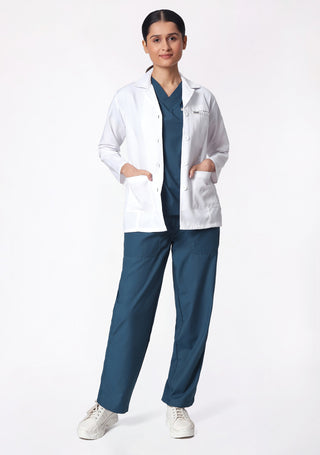
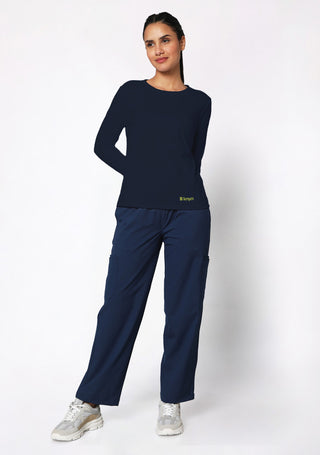
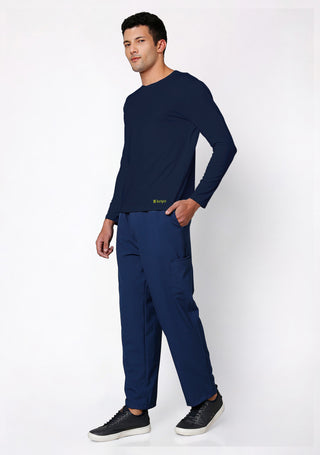

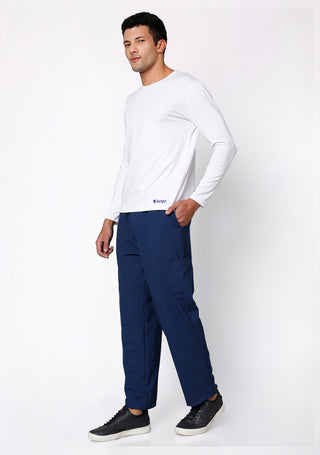




Entering clinical training as a NEET PG aspirant is both exciting and challenging. Beyond mastering medical knowledge and honing clinical skills, how you present yourself matters significantly. Professional attire creates the first impression with patients, peers, and senior doctors, establishing credibility and confidence.
Dressing appropriately in a hospital or clinical environment is not merely about following a dress code; it is about combining hygiene, comfort, and professionalism. KNYA medical apparel, including scrubs, lab coats, and accessories, is designed to help aspirants look presentable while ensuring functionality for long shifts and patient interactions.
Ready to explore our amazing scrubs collection? Browse the best here
1. Prioritize Hygiene and Cleanliness
Maintaining hygiene is the cornerstone of professional medical dressing. NEET PG aspirants should:
- Wear freshly laundered scrubs and lab coats.
- Avoid stains, wrinkles, or worn-out garments.
- Keep shoes and accessories clean and free of debris.
A crisp and clean appearance reflects attention to detail, discipline, and respect for patients.
2. Choose Comfortable and Functional Scrubs
Clinical rotations involve long hours of standing, walking, and performing procedures. When selecting scrubs:
-
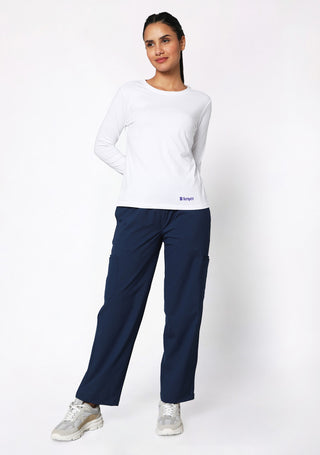
Fit Matters: Opt for scrubs that allow ease of movement without being too tight or too loose.
-
Breathable Fabrics: Cotton or cotton-polyester blends help regulate temperature and reduce sweat.
-
Ergonomic Designs: Scrubs with stretch panels, gussets, or adjustable waistbands enhance mobility.
Comfortable attire allows aspirants to focus entirely on patient care without distraction from physical discomfort.
3. Select the Right Lab Coat
Lab coats are more than protective gear; they convey authority and professionalism. Tips include:
-
Correct Length: Knee-length coats balance coverage and ease of movement.
-
Proper Fit: Shoulders and sleeves should allow mobility without looking oversized.
-
Durable Material: Stain-resistant and wrinkle-resistant fabrics ensure the coat remains neat throughout long shifts.
A well-fitted lab coat over scrubs elevates the professional image of NEET PG aspirants.
4. Focus on Footwear and Accessories
Footwear and minimal accessories contribute to comfort and safety:
-
Supportive Shoes: Non-slip, cushioned shoes prevent fatigue during long hours.
-
Minimal Jewelry: Avoid dangling items that may interfere with procedures or hygiene.
-
Functional Bags: Compact, medical-friendly bags help carry essential tools, notes, and personal items.
Practical choices ensure aspirants maintain professionalism without compromising comfort.
Explore the full collection of Knya Women’s Scrubs and find the perfect set designed for your comfort, movement, and confidence
5. Layer Smartly for Different Seasons
Hospitals can vary widely in temperature depending on the season and department:
-
Underscrubs or Thermal Layers: Provide warmth in cold wards.
-
Lightweight Scrubs: Ensure breathability in warmer areas.
-
Cardigans or Jackets: Optional outer layers for added comfort, removed when entering sterile areas.
Strategic layering helps NEET PG aspirants adapt to hospital conditions efficiently.
6. Emphasize Personal Grooming
Professional dressing is incomplete without proper grooming:
- Keep hair tied back and neat.
- Ensure nails are trimmed and clean.
- Minimal or no makeup is recommended in patient-facing environments.
- Maintain oral hygiene to project confidence during patient interactions.
Attention to grooming reinforces competence and professionalism.
7. Use Color and Style Strategically
Scrub colors and styles influence perception:
-
Calming Colors: Blue, green, or pastel shades convey approachability and calmness to patients.
-
Department Differentiation: Certain colors may help identify roles within the clinical setting.
-
Personal Expression: Subtle patterns or embroidered names enhance identity without compromising professionalism.
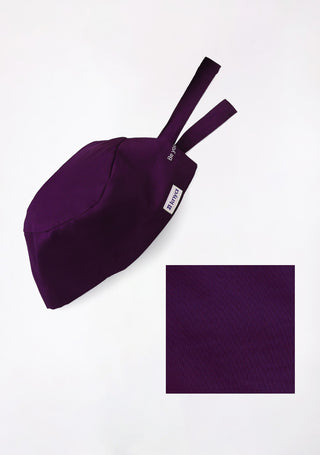
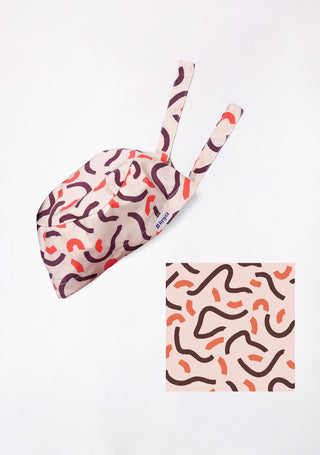
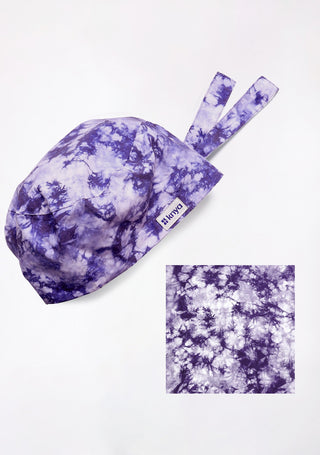
KNYA offers a variety of colors and styles tailored to clinical needs and personal comfort.
8. Invest in Multiple Sets
Long shifts and frequent rotations necessitate multiple sets of professional apparel:
- Rotate scrubs and lab coats to maintain hygiene.
- Prevent wear and tear by alternating sets.
- Ensure backup options for unexpected spills or emergencies.
Having a prepared wardrobe reduces stress and helps maintain a professional appearance consistently.
9. Prioritize Practicality Alongside Appearance
Professional attire should serve functionality alongside visual appeal:
- Pockets for pens, phones, and tools enhance efficiency.
- Stretchable fabrics reduce fatigue from repetitive movements.
- Lightweight materials make handling procedures and patient interaction easier.
A balance between style and practicality ensures aspirants perform optimally during rotations.
10. Stay Updated with Institutional Dress Codes
Every hospital or training facility may have specific guidelines:
- Verify color codes, lab coat lengths, and footwear requirements.
- Ensure accessories comply with hygiene and safety standards.
- Adapt personal clothing choices to align with the institution’s policies.
Following dress codes demonstrates respect for the workplace and professional maturity.
Conclusion
For NEET PG aspirants, professional dressing is an essential part of clinical success. Proper attire—from well-fitted scrubs to clean lab coats and supportive footwear—not only enhances comfort during long shifts but also builds trust and confidence among patients and colleagues.
KNYA’s range of medical apparel is designed to meet the unique needs of NEET PG aspirants, combining functionality, comfort, and professional aesthetics. By investing in high-quality scrubs, lab coats, and accessories, aspirants can approach clinical rotations with a polished, confident, and professional presence. Proper dressing is not just about appearance; it’s a tool for efficiency, focus, and long-term success in medical training.